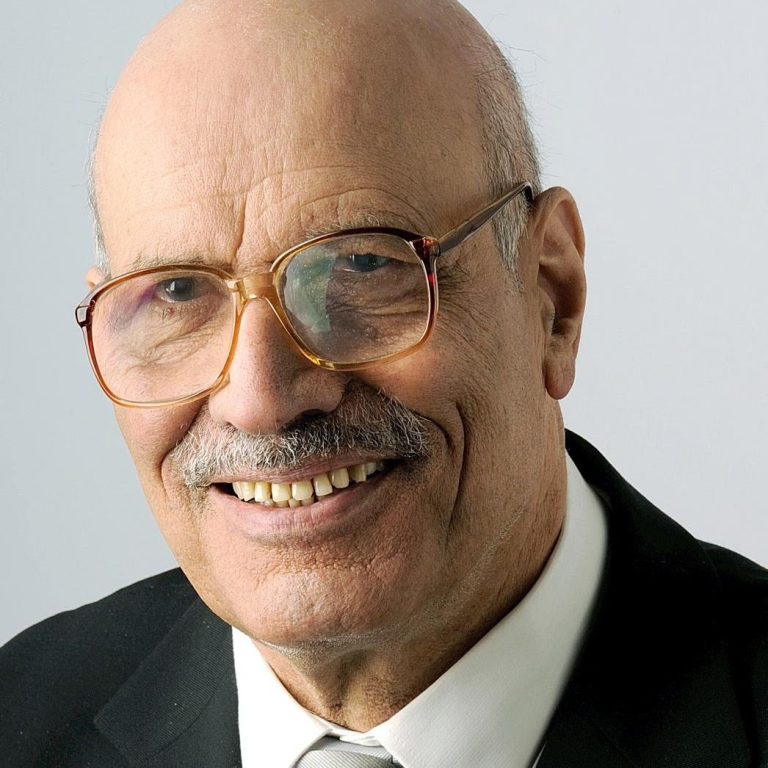
Professor Muhammad A. S. Abdel Haleem (OBE) is an Egyptian-born Islamic scholar and the King Fahd Professor of Islamic Studies at the SOAS University of London. One of the world’s highly respected authority on the Qur’an , he learned the text by heart during his childhood at Azhar. Alongside directing the Centre for Islamic Studies at SOAS, he edits the Journal of Qur’anic Studies and has authored several essential texts, including Understanding the Qur’an: Themes and Style .His prominent English renditions include the acclaimed The Qur’an: A New Translation (published by Oxford University Press in 2004) and the parallel Arabic-English text The Qur’an: English Translation with Parallel Arabic Text (2010). His work is highly regarded for bridging the gap between classical scholarship and accessible, contemporary English, aiming to present the profound message clearly to both Muslim and non-Muslim audiences. For a full list of his publications and scholarships, please visit: https://www.soas.ac.uk/about/muhammad-abdel-haleem-obe
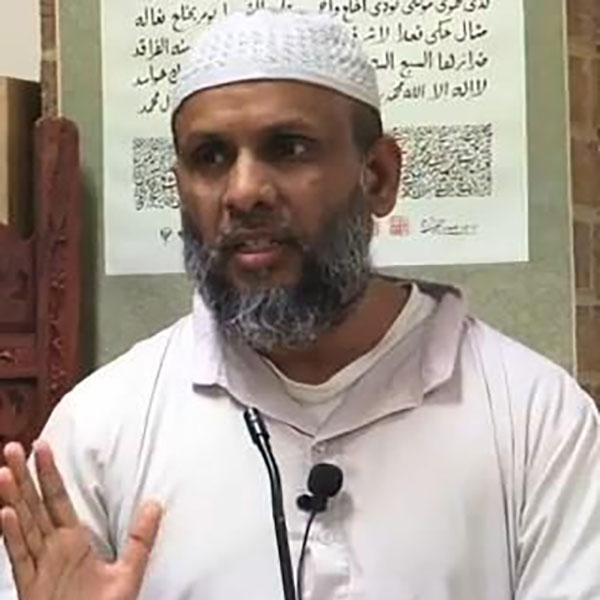
Shaykh Mohammed Akram Nadwi [Al-Salam Institute, UK] studied and taught Shari’a at the Nadwatul ‘Ulama (India). He is a muhaddith specialising in ‘Ilm al-Rijal (the study of the narrators of Hadith) and has ijaza (licenses) from many mashayakh, including Abul Hasan Ali Al-Nadwi, Abdul-Fattah Abu Ghuddah, Ramadan Buti, AbdurRahman Kittani and Yusuf al-Qaradawi. Over the course of three decades he has authored, translated and conducted research on many titles related to fiqh, Qur’an, hadith and sufi orders. He has published widely in Urdu, Persian, Arabic, and English on Shah Wali Allah, a critical edition of Usūl al-Shāshī in Ḥanafī jurisprudence, original monographs on Islamic law, Quran and hadith sciences, and figures such as Abū Ḥanīfah, including his monumental 43 volume work on Al-Muhaddithaat –The Women Scholars in Islam. He was a research fellow at the Oxford Centre for Islamic Studies, Oxford University, and is recipient of the ‘Allāmah Iqbāl prize for contribution to Islamic thought and is the Principal and Co-Founder of Al-Salam Institute. As co-founder of Al-Salam Institute, he continues to teach advanced levels of Islamic Scholarship Program.
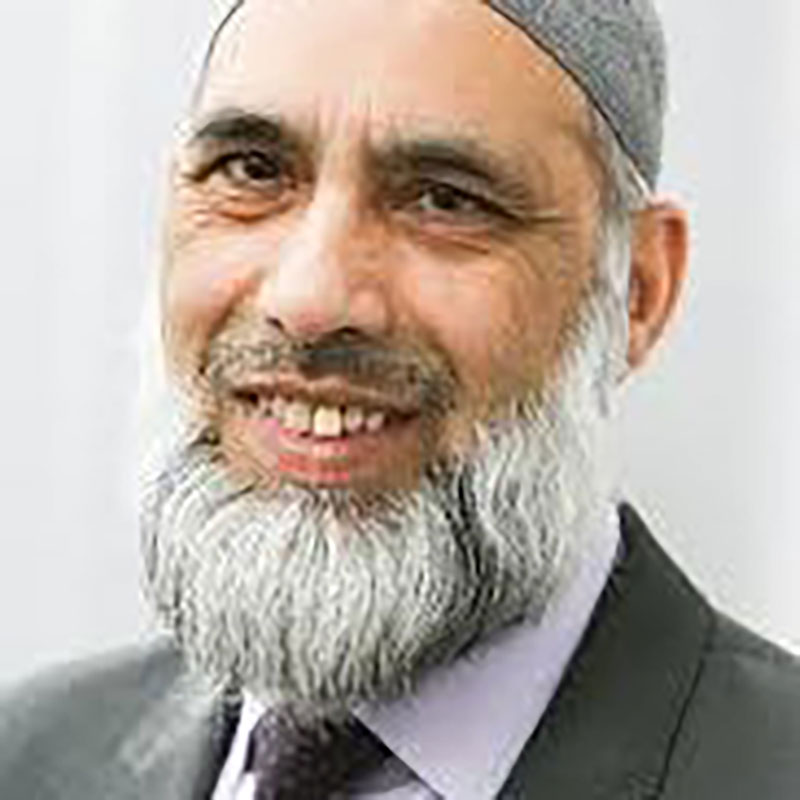
Shaykh Dr Musharraf Hussain [Chief Executive of Karimia Institute, Nottingham, UK], came to Britain from Pakistan in 1966. He memorised the Quran, and later read Islamic studies at Darul Uloom Muhammadia Ghausia in Pakistan with ijaza in hadith under Justice Pir Muhammad Karam Shah and then at the Al-Azhar University, Egypt completing the BA, Usuluddin. Prior to his advanced Islamic education, he completed a BSc in Biochemistry at Aston University, and later a science Doctorate and worked as a scientist until 1990. Later he decided to dedicate himself to serving the Muslim community. He helped to establish Jamia Al Karam, a Muslim boarding school in Retford, Nottingham being the headteacher for 3 years and in 1997, he was appointed director of Karimia Institute running over 20 projects ranging from community development to raising educational achievements, interfaith work and charity, making it one of the leading Muslim organisations. In 2009, he was awarded an OBE for his services to community relations in Britain and was awarded an Honorary Doctorate by Staffordshire University(2005). He has been the chair of the Christian Muslim Forum, a senior trustee of Muslim Hands, trustee of National Centre for Citizenship and Law, the director of Postgraduate Course in Education, and Vice-chair of the Association of Muslim Schools, managing trustee of the UK Islamic Education Waqf and a member of central working committee of Muslim Council of Britain(MCB), former Chair of UK Islamic Advisory Group at foreign & Commonwealth Office and was a Member of the Central Religious Advisory Committee for the BBC & ITV. Some of the his scholarly work and publications include: The Majestic Quran – A Plain English Translation; Aqaid al-Nasafi: A translation of the orthodox creed written in the 11th century; Q&A from Fatawa Rizwiyya (vol 1&2): Collection of over a hundred questions and answers from Fatawa Rizwiyya covering many topics; The Tragedy of Karbala: Outlines the brief history of the battle of Karbala and its consequences. A tribute to the Prophet’s family; Milad – Celebration of the Prophet’s Birthday: Polemical discussion of the virtues of celebrating the birth of the Greatest Prophet of God; Maulana Ahmad Riza Khan Barelwi: Introduction to his life and works of one of the greatest scholars of the twentieth century and many others.
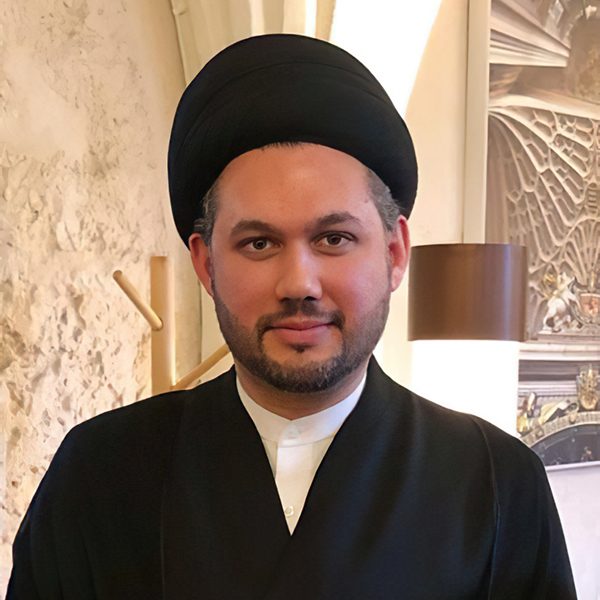
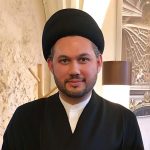
Imam Dr. Sayed Ali Abbas Razawi [Director-General and Chief Imam, Scottish Ahlul Bayt Society] – Sayed Ali Abbas Razawi is a British scholar and religious leader with a research interest in Islamic philosophy, mysticism, and comparative religion. In particular, he focuses upon the concept of “love” theoretically and applies his insights as a practitioner of theology to expound upon the values and thought system of Shi’ism and Islam on one hand and to undertake interfaith dialogue and peacebuilding through civil society engagement on the other. Fluent in Arabic, Persian, Urdu and English, Razawi is the Chief Imam of the Scottish Ahlul Bayt Society in the United Kingdom and an Associate at the Project on Shi’ism and Global Affairs at Harvard University’s Weatherhead Center for International Affairs. His work constructively engages issues of contemporary social affairs as a passionate civic member and active Muslim interlocutor at the local, national, and international levels. Locally, besides undertaking bridge-building and engaging communities across faith and non-faith traditions, Razawi founded the first Shia-Sunni Alliance in Scotland to promote ecumenical dialogue and good-will, has partnered with twelve national charities across Scotland, and is a Global Ambassador for “Glasgow the Caring City.” Nationally, he served as an advisor on the United Kingdom’s Independent Sharia Review commission, participates as a member of the Oxfam Zakat Advisory Panel, and has frequently led prayer at national religious services, including the Commonwealth service in Westminster Abbey presided by Her Majesty Queen Elizabeth. Internationally, Razawi is a member of multiple international organizations and non-governmental bodies including: the European Council of Religious Leaders (ECRL), the United Nations Global Steering Committee for the Prevention of Genocide, the Global Sustainability Network (GSN), the advisory board of the Islamic Reporting Initiative (IRI), and Trustee of Religions for Peace International. In April 2017, he partook in an historic private meeting at the Vatican of four senior British imams with His Holiness Pope Francis to discuss interfaith pluralism, coexistence, and reconciliation. With years of experience in the field of minority affairs, he has also represented Muslim communities in European Community (EC) countries and has since been working to support minority Christians in the Middle East. Academically, Razawi successfully defended his PhD in January 2022 in Theology and Jurisprudence at Glasgow University, where he wrote his doctoral thesis on the philosophical and mystical thought of 12th century Muslim scholar and poet Ibn Arabi. Razawi is also a Visiting Scholar at the Strathclyde Business School in Scotland. His work with Harvard University contributes to scholarship and practice on interfaith dialogue and sectarian de-escalation in addition to advancing research on the history and thought of religious mysticism from a comparative perspective.
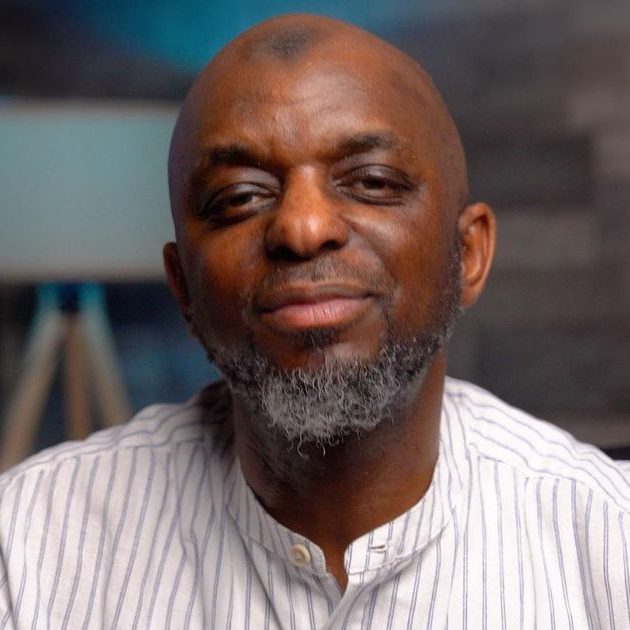
Dr. Abdul-Haqq Baker is a seasoned professional with extensive experience in the legal, charity, and educational sectors. He spent a decade practising law before transitioning to leadership roles in education and community service. His past positions include Chair of Brixton Mosque and Iqra Independent School, as well as directorial roles in various educational centres across the Middle East. Dr. Abdul-Haqq holds a PhD in Political Studies and an MBA in Education. He has been an academic force, lecturing at the University of St Andrews, and serving in various capacities such as Principal, Head of Academic Affairs, and Head of English in prestigious institutions in Saudi Arabia and the United Arab Emirates. A regular contributor to scholarly publications and online platforms, he shares insights that enrich the broader educational and civic community and one of the leaders of the Black Muslim Salafi community in the West and was recently the CEO of the Green Lane Masjid and Community Centre[Birmingham].
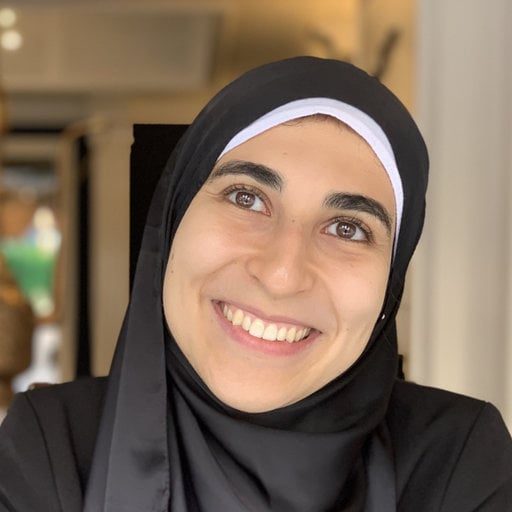
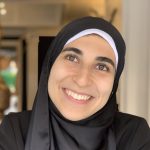
Dr Engy Moussa is a supervisor of Politics at Cambridge University and was a research fellow at Cambridge Muslim College. She is also James Buchanan Fellow at the Mercatus Center at George Mason University and a Bye-Fellow at Hughes Hall College at the University of Cambridge. She received her PhD in Politics and International Studies from the University of Cambridge, and earned the Alimiyyah Degree in Arabic and Islamic Studies. She is also a graduate of the Diploma in Contextual Islamic Studies and Leadership from Cambridge Muslim College. Her research interests include Islamic governance and politics, social and political movements, authoritarian rule, and critical security studies. She was a senior teaching associate at the Department of Politics and International Studies at the University of Cambridge.
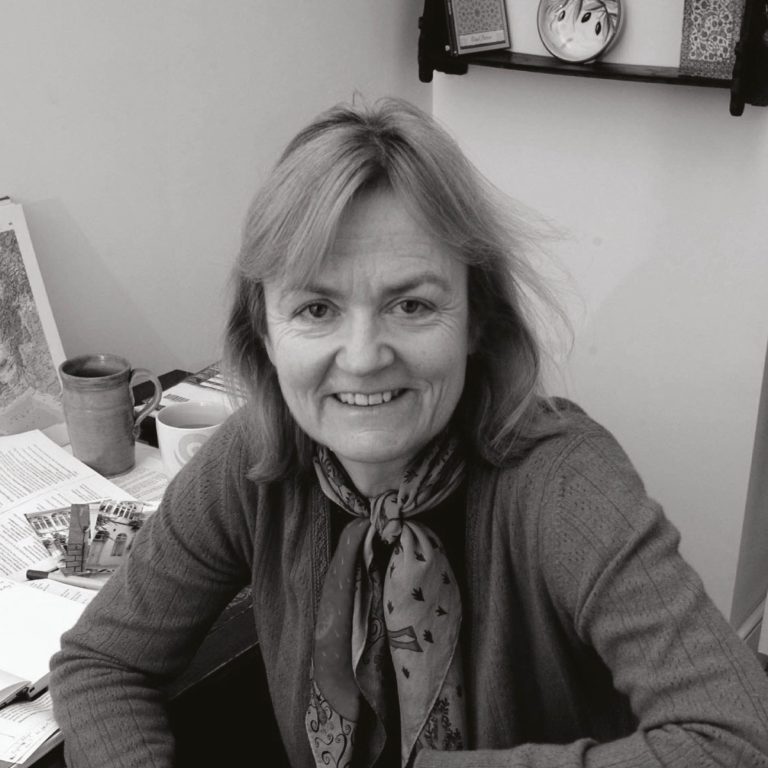
Dr Diana Darke is a historian and Middle East cultural expert who wants to set the record straight. Her notable works include Stealing from the Saracens: How Islamic Architecture Shaped Europe (2020), Islamesque The Forgotten Craftsmen Who Built Europe’s Medieval Monuments, and The Merchant of Syria: A History of Survival (2018). In 2005, she purchased a 17th-century courtyard house in the Old City of Damascus, reflecting her deep connection to the region.
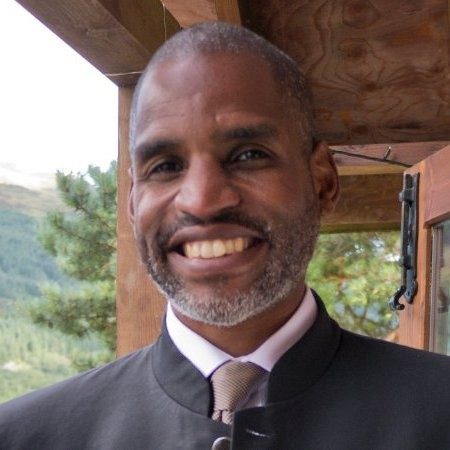
Luqman Ali specialised in the languages (Arabic, Persian and Urdu), literature and cultures of the Middle East and the Indian Sub-continent. He then spent a decade working as a linguist, writer and translator before serving for 3 years as programmes manager for a London-based humanitarian NGO where he raised funds from European GO’s and NGO’s in order to deliver humanitarian projects for refugees and displaced persons in the Middle East with DFID and UNHCR. In 1997, Luqman co-founded Khayaal, the first professional theatre company dedicated to the exploration of classic Muslim literature through contemporary stagecraft as a means of fostering greater intercultural and interfaith engagement and understanding. He adapted and produced Khayaal’s award-winning debut production, Conference of the Birds, in London in 1998. He went on to pioneer the adaptation of the works of an array of Muslim litterateurs as well as folktales from African, Arabic, Turkish, Chinese, Persian and Urdu cultures, staging these works at The Globe’s Shakespeare and Islam Season (2004) and at The British Museum’s critically acclaimed Hajj Exhibition (2012) and its Albukhary Foundation Gallery of the Islamic World launch events (2018) as well as in theatres, corporations, schools and communities throughout the UK and beyond (Morocco, Pakistan, Sudan, Switzerland, UAE and USA). Luqman is currently working to nurture an inclusive humanitarian discourse of story and dream in Muslim communities and between those communities and wider society through Khayaal’s national on-demand Theatre-without-Walls programme that includes themed adaptations of wisdom tales from Hinduism, Judaism, Christianity, Islam and Sikhism #HilfAlFudul while also developing the company’s next medium scale production exploring the intersection of Britain and Islam in the story of coffee. Luqman served as founding convening adviser and trustee of Amal from 2016-2024. He is a fellow of the Royal Society of Arts and an alumnus of the Windsor Senior Strategic Leadership Programme.
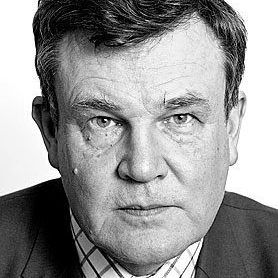
Peter Oborne is an award-winning writer, journalist and broadcaster who has worked for various newspapers, including the Spectator, the Daily Mail and the Daily Telegraph, where he was the chief political commentator until his resignation from the paper in 2015. He now writes for Middle East Eye. He is the author of numerous books, including The Rise of Political Lying (2005), Wounded Tiger (2014) and the Sunday Times bestseller The Assault on Truth (2021). He lives in Wiltshire. His recent publications include: ‘Complicit: Britain’s Role in the Destruction of Gaza’ and ‘The Fate of Abraham: Why the West is Wrong about Islam’ and recently joined the Zeteo UK team.
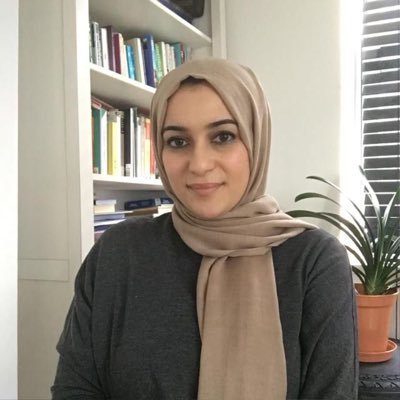
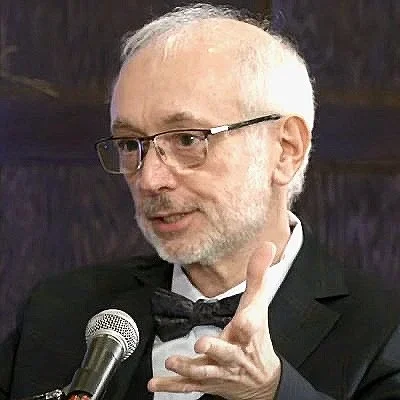
Paul Williams [Blogging Theology Academy – www.bloggingtheologyacademy.com ] is host of the Blogging Theology channel, one of the world’s most popular YouTube channels discussing comparative religion by introducing some academic and scholarly content to the subject matter, especially concerning the Abrahamic faiths Judaism, Christianity and Islam. He is a blogger and bibliophile based in London and the South of France.
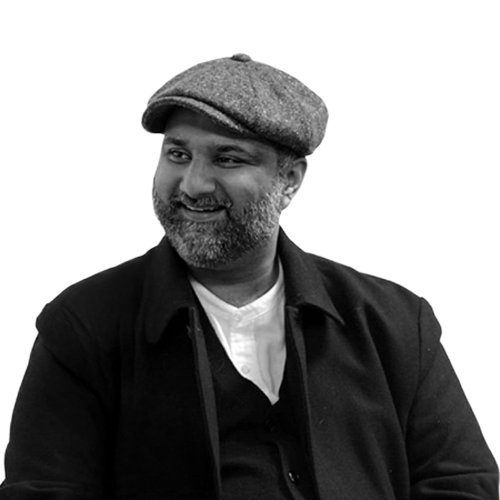
Dr. Yakoob Ahmed is an Assistant Professor in the Faculty of Theology (İlahiyat) at Istanbul University and a researcher at the Institute of Islamic Studies (ISAMER). He holds a Ph.D. from the Department of Languages and Cultures at the School of Oriental and African Studies (SOAS), University of London, where he also completed a Master’s degree in Near and Middle East Studies with a focus on Ottoman history and Turkish politics. He is also the author of Why History Matters: Reviving Faith Through the Lens of History (Ketebe), which explores the relationship between historical consciousness, identity, and the renewal of Islamic thought in the modern age. His research focuses on Late Ottoman history, Muslim intellectual thought in the nineteenth and twentieth centuries, Islamic constitutionalism, nation-state formation, the intellectual history of the late Ottoman ulema, and questions of identity and collective memory. In addition to his academic work, Dr. Ahmed is a regular contributor to Middle East Eye and TRT World, where he writes on contemporary political and historical developments in the Muslim world. He is also founder of the Al Qasas online platform which was established as a third space as a unique environment outside of traditional academic institutions and formal religious settings, where Islamic history, Islamic intellectual thought and politics could be taught through an Islamic lens.
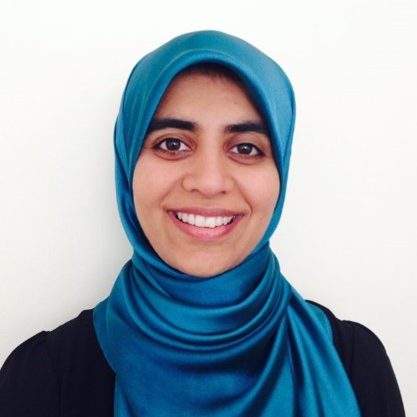
Arzoo Ahmed recently joined Genomics England as the Ethics Lead for the Whole Genome Sequencing Programme in Newborns. Before this, she was a Researcher at the Nuffield Council on Bioethics where she worked as public dialogue project lead on the Genome Editing in Farmed Animals Inquiry. She also contributed to the Council’s active response programme and diversity and inclusion agenda. Arzoo has produced briefings on equitable access to COVID-19 vaccines and meat alternatives. She is also a Research Associate on the Qatar National Research Funded project: Genomics, Islamic Ethics, and Public Engagement. Prior to joining the Council, Arzoo was Director at the Centre for Islam and Medicine and a Research Associate at the Office for Public Management. Arzoo is completing an MA in philosophy at King’s College London, and graduated with a BA in Physics and an MPhil in Medieval Arabic Thought from the University of Oxford.
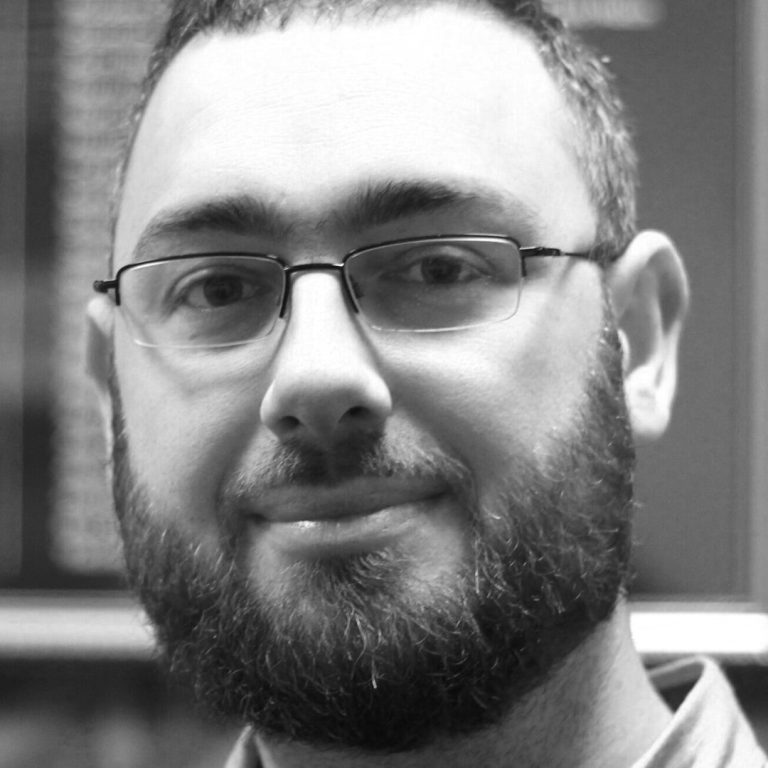
Dr Ramon Harvey is a Senior Lecturer in Islamic Studies at Cambridge Muslim College. He lectures in Islamic theology. He undertook his postgraduate studies at SOAS, University of London, and also holds an ʿalimiyya qualification. His publications include monographs and articles in both Islamic theology and Qur’anic studies. Currently, his research focuses on kalām in early Māturīdism and on constructive Islamic theology, especially in conversation with Christian theology, analytic philosophy and phenomenology. He is Series Editor of Edinburgh Studies in Islamic Scripture and Theology, which is published by Edinburgh University Press.
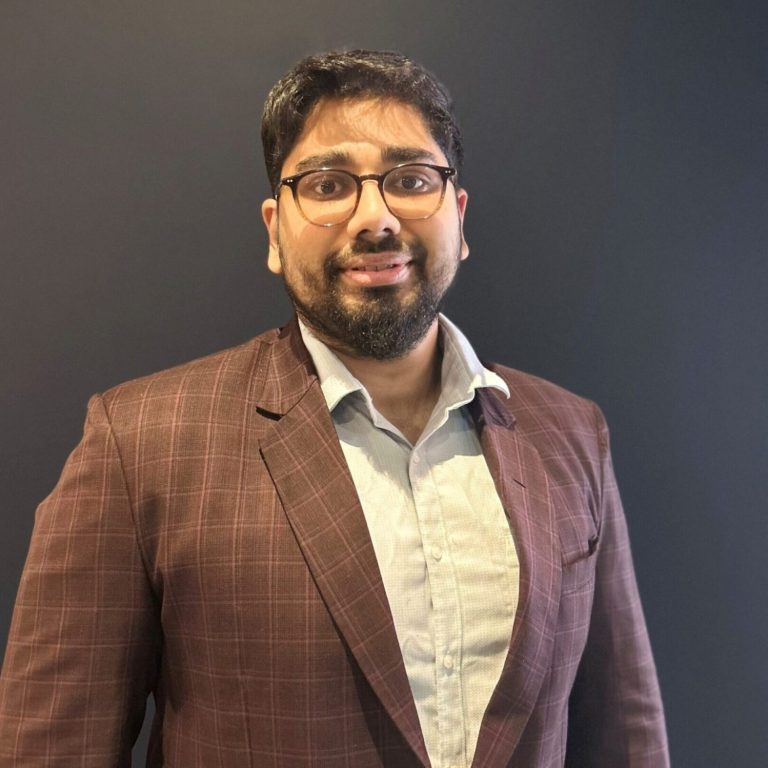
Dr Mohammed Sinan Siyech is a Senior Researcher at Equi who was awarded his doctorate from the University of Edinburgh in 2024. His research at Equi focuses on supervising and developing studies addressing social issues impacting British Muslim communities, with an emphasis on political, religious, and security concerns. Sinan also teaches politics at King’s College London and the School of Oriental and African Studies (SOAS). His academic expertise is complemented by practical experience from his time at global think tanks, including the Institute for Strategic Dialogue (ISD) in London and the S. Rajaratnam School of International Studies (RSIS) in Singapore. Sinan pursued an Arabic Language Diploma from Summit Academy in Mukalla, Yemen. His research at RSIS focusses on insurgency, civil war and terrorism in Yemen and India. He has written various articles on Al Qaeda and the Islamic State and foreign policy pertaining to these countries. Additionally, Sinan also works on combatting violent extremism. He studies Hindutva and Salafism apart from extremism in the online sphere. In addition to his academic career, Sinan has consulted for various international organisations and government bodies in Asia and Europe. He has presented his work on politics, security and religion in forums hosted by and alongside notable organisations such as the United Nations, Interpol, and Meta. With over 150 publications, he has made significant contributions to discussions on security, religion and politics across Europe, South Asia, and the Middle East. Currently he is an International Relations lecturer at the Wolverhampton University.
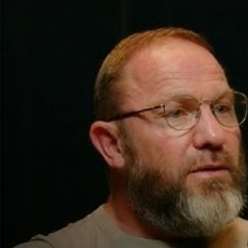
Brother Dowie, widely known as @alrijalfitness, is a prominent British-Muslim revert influencer, personal trainer, and public speaker. Based in Luton , he is well-known for his conversion story, his focus on physical and spiritual discipline, and his discussions on modern British culture, fatherhood, and faith. Growing up in Luton, he embraced Islam after a single conversation at a local mosque, eventually inspiring his own father to also become Muslim. Al Rijal Fitness: He founded and runs Al Rijal Fitness to promote a holistic approach to Men’s development, focusing on the mental, physical, and spiritual aspects of manhood .Public Outreach: He frequently participates in community discussions, local radio segments, and podcasts like the 5Pillars Podcast discussing contemporary issues, masculinity, and Dawa (the invitation to Islam) and recently debated, Tommy Robinson at the Oxford Union debate and other British far-right activists and influencers.
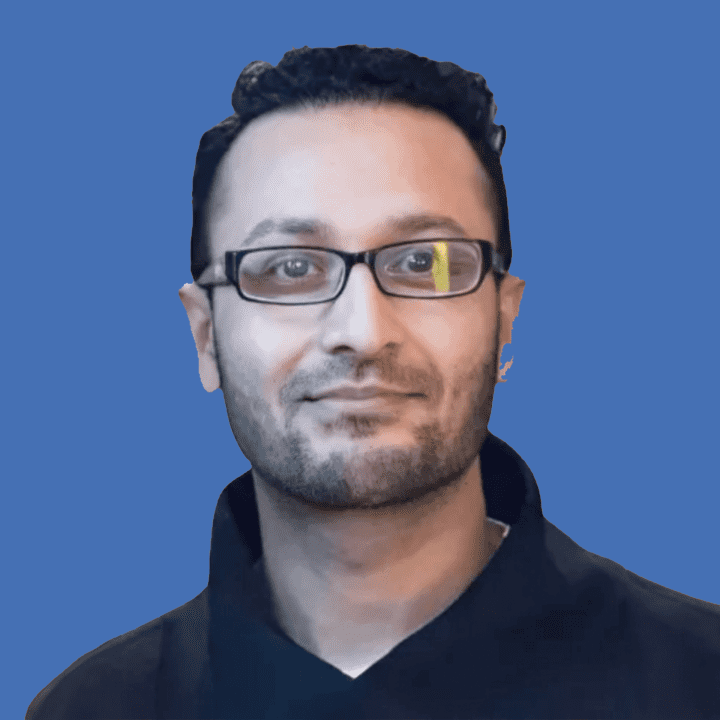
Dr. Safaruk Chowdhury is the Academic Director of the Centre for Islamic Knowledge. He read Philosophy at King’s College London, where he also earned the Associate of King’s College (AKC) award. He then travelled to Cairo to study the traditional Islamic Studies curricula at Al-Azhar University. Returning to the UK, he completed his MA with distinction at the School of Oriental and African Studies (SOAS), University of London. His doctoral research, undertaken at SOAS, examined the eminent Sufi hagiographer and theoretician Abu ʿAbd al-Raḥmān al-Sulamī (d. 412/1021) and was later published as A Sufi Apologist of Nishapur: The Life and Thought of Abu ʿAbd al-Raḥmān al-Sulamī (Sheffield: Equinox Publishing, 2019). Dr. Chowdhury has authored numerous academic articles in Islamic philosophy and theology, particularly in the areas of ethics, metaphysics, logic, and epistemology. His most recent monograph, Islamic Theology and the Problem of Evil (New York and Cairo: The American University in Cairo Press, 2021), represents the first sustained treatment of the subject in Islamic Studies through the lens of analytic theology. He served as the lead researcher for the Beyond Foundationalism: New Horizons in Muslim Analytic Theology project, funded by the John Templeton Foundation in collaboration with the Cambridge Muslim College and the Aziz Foundation, which advanced new trajectories in Islamic epistemology. He has previously served as a lecturer at both SOAS and Birkbeck, University of London. In addition to managing the Islamic Analytic Theology website and maintaining an active research profile on Academia.edu, Dr. Chowdhury holds multiple academic and editorial positions. He is the Executive Editor of the Journal of Islamic Philosophy and the Ihya’ Journal of Islamic Thought, a Research Scholar at the Ibn Rushd Centre for Excellence and Research, a Lecturer at the Cambridge Muslim College, a Senior Instructor at the Whitethread Institute, and Chair of the Islamic Literary Society.
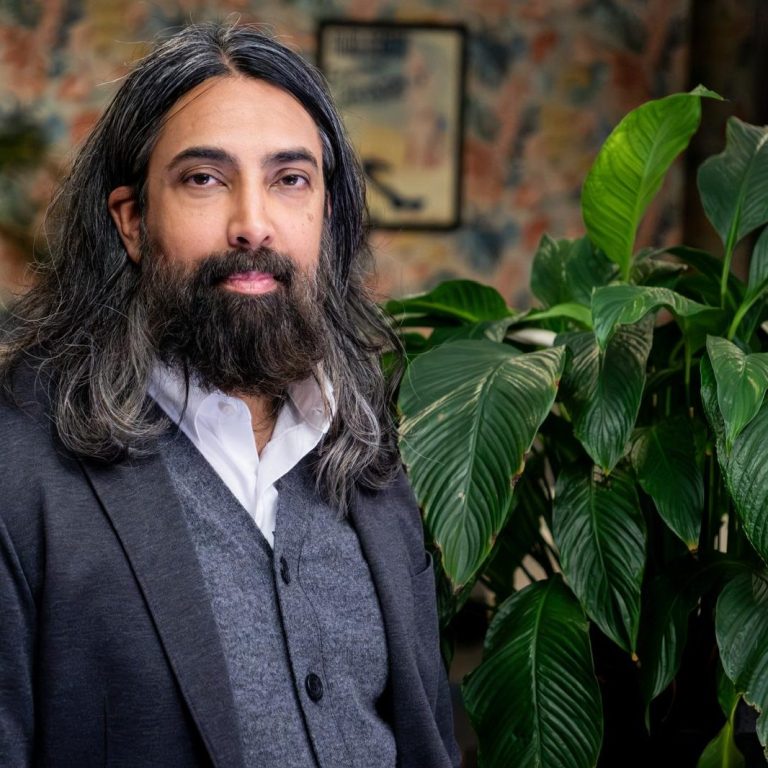
Talha Ahsan currently researches the role of Ḥanbalite scholars in formulations of Caliphal authority and challenges to it. His doctoral thesis, supervised by Professor Hugh Kennedy, is titled “They are the Egg Men”: The Ḥanbalite community and the Caliphate from al-Qāḍī Abū Yaʿlā (d. 458/ 1066), the judge, until al-Wazīr Ibn Hubayraḧ, the statesman (d. 560/ 1165), al-Sayyid ʿAbd al-Qādir al-Jīlānī, the saint (d. 561/ 1166) and al-Shaykh Ibn al-Jawzī, the schoolman (d. 597/ 1201), through a reading of Ibn Rajab’s (d. 795/ 1393) biographical dictionary Dhayl Ṭabaqāt al-Ḥanābilaḧ as an “alternative history”. This project uses Ibn Rajab’s extensive biographical dictionary as a lens to explore the complex interplay between scholastic authority and political legitimacy in the medieval Islamic world. He is expected to complete his viva in March 2026. Talha has a long-standing academic relationship with SOAS, where he previously earned an MA in History with a Distinction (2018). His MA dissertation focused on the Khārijite leader and poet Qaṭarī b. al-Fujāʾaḧ, a project that involved extensive use of numismatic evidence and the translation of his poetic corpus. The results of this work corrected and added new details to the standard written primary sources on the man’s life, his followers, and even their taxation of local populations. He completed his undergraduate studies at SOAS with a First-Class BA (Hons.) in Arabic (2004), including study at the University of Damascus and private tuition in classical poetry, grammar, and rhetoric. This robust background in philology and history provides the foundation for his current interdisciplinary research. Beyond his doctoral research, Talha is known as the founder, host, and producer of the Abbasid History Podcast (available on Spotify and other platforms), a platform recommended by the New Arab Magazine and included in several university reading lists. He has presented his research at the International Medieval Congress at the University of Leeds and the Agha Khan University in London. A published poet and Koestler Prize winner, Talha also has professional experience as a highly-rated private Arabic tutor and a freelance translator, including poetry work for Amnesty International. He is a member of the British Association for Islamic Studies (BRAIS) and the International Quranic Studies Association (IQSA), demonstrating his commitment to academic engagement and outreach. His broader interests are in the intellectual history of Islamic(ate) realms, world literature, and improving public perceptions of the medieval past.
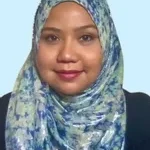
Dr Siti Sarah Muwahidah is an Alwaleed Associate Fellow, with research interests in new authority and transnational networks among Indonesian Shiʿi communities.
Sarah holds a Ph.D. in Religion (2020) from the Graduate Division of Religion, Emory University, Atlanta, USA. Her PhD dissertation examined Sunni-Shiʿi relations and the development of sectarianization in Indonesia. She obtained her MA in Religious Studies from Florida International University and her MA in Religious and Cross-Cultural Studies from the Center for Religious and Cross-Cultural Studies (CRCS), Gadjah Mada University, Indonesia. Her academic interests include interfaith dialogue, religious conflict and peacebuilding, political theology, and identity politics. She has conducted research in the Philippines, Indonesia, and Malaysia. Sarah was the recipient of a Fulbright Presidential Fellowship, an Asian Public Intellectual Fellowship from The Nippon Foundation, a graduate research fellowship from the Asian Research Institute, National University of Singapore, and an ELMO Fellowship from The Carter Center and Emory’s Institute of Developing Nations. She is an associate researcher and a former program officer of the Maarif Institute, Indonesia. In addition to her teaching and research, she played and led an Indonesian traditional music orchestra, Emory Gamelan Ensemble. Selected Publications include: “National (In)Security and Identity Boundaries: The Rise of Muslim Conservative Propaganda in Indonesia.” Journal of Islamic and Muslim Studies 5, no. 1 (2020): 1–34. ; “For the Love of Ahl Al-Bayt: Transcending Sunni-Shiʿi Sectarian Allegiance.” Journal of Shi’a Islamic Studies 9, no. 3 (2016): 327–58.; Interfaith Dialogue in Mindanao: Sharing A Common Hope and Mutual Fears.The Work of the 2009/2010 Asian Public Intellectual Fellow (2011): 39-50. ; “Interfaith Dialogue at the Grassroots Level: A Case Study of an Interfaith Empowerment Program in East Java, Indonesia.” Political Theology 9, no. 1 (2008): 79–92.
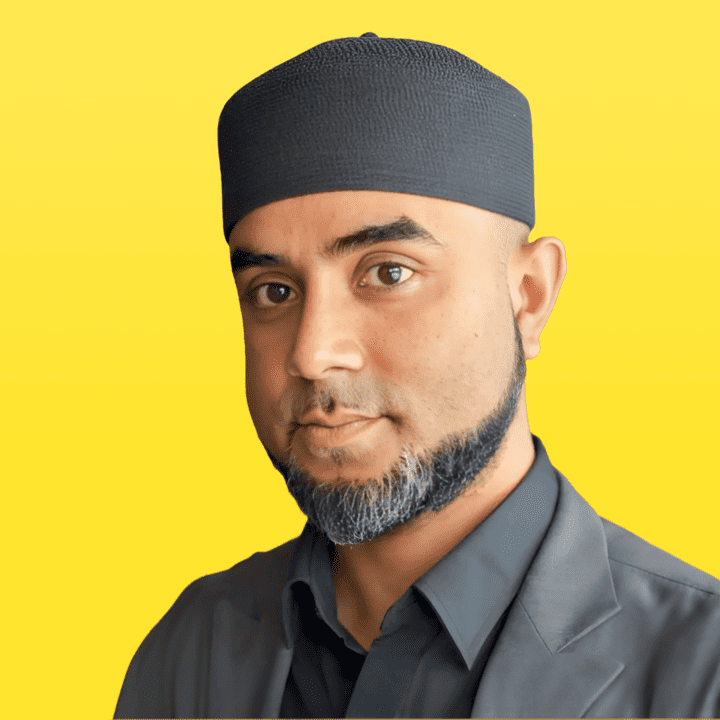
Dr Sadek Hamid is a Fellow at Leeds University and the Founder Director of the Manchester Muslim Forum. Previously he was a Senior Research Fellow, at the University of Edinburgh] and prior he was Head of Research at UKIM and Research Fellow at the University of Wales Trinity Saint David. He has previously held teaching and research positions at the universities of Chester, Liverpool Hope, Cambridge Muslim College and Oxford Centre for Islamic Studies. He has been actively engaged in Muslim communities for more than 30 years and prior to transitioning to academia was a Youth & Community Development professional. He has written extensively on Muslim young people, Islamic activism, religion, politics, and public policy. He is author of Sufis, Salafis and Islamists: The Contested Ground of British Islamic Activism (I. B. Tauris, 2016), co-author of British Muslims: New Directions in Islamic Thought, Creativity and Activism, (Edinburgh University Press, 2018), editor of Young British Muslims: Between Rhetoric and Realities (Routledge, 2016), co-editor of Political Muslims: Understanding Youth Resistance in a Global Context (Syracuse University Press, 2018), Youth Work and Islam: A Leap of Faith for Young People (Sense, 2011) and most recently; Contemporary British Muslim Arts an Cultural Production: Identity, Belonging and Social Change (Routledge, 2023).. He has previously held teaching and research positions at the universities of Chester, Liverpool Hope, Cambridge Muslim College and Oxford Centre for Islamic Studies. He has been actively engaged in Muslim communities for more than 30 years and prior to transitioning to academia was a Youth & Community Development professional. He has written extensively on Muslim young people, Islamic activism, religion, politics, and public policy. He is author of Sufis, Salafis and Islamists: The Contested Ground of British Islamic Activism (I. B. Tauris, 2016), co-author of British Muslims: New Directions in Islamic Thought, Creativity and Activism, (Edinburgh University Press, 2018), editor of Young British Muslims: Between Rhetoric and Realities (Routledge, 2016), co-editor of Political Muslims: Understanding Youth Resistance in a Global Context (Syracuse University Press, 2018), Youth Work and Islam: A Leap of Faith for Young People (Sense, 2011) and most recently; Contemporary British Muslim Arts an Cultural Production: Identity, Belonging and Social Change (Routledge, 2023).
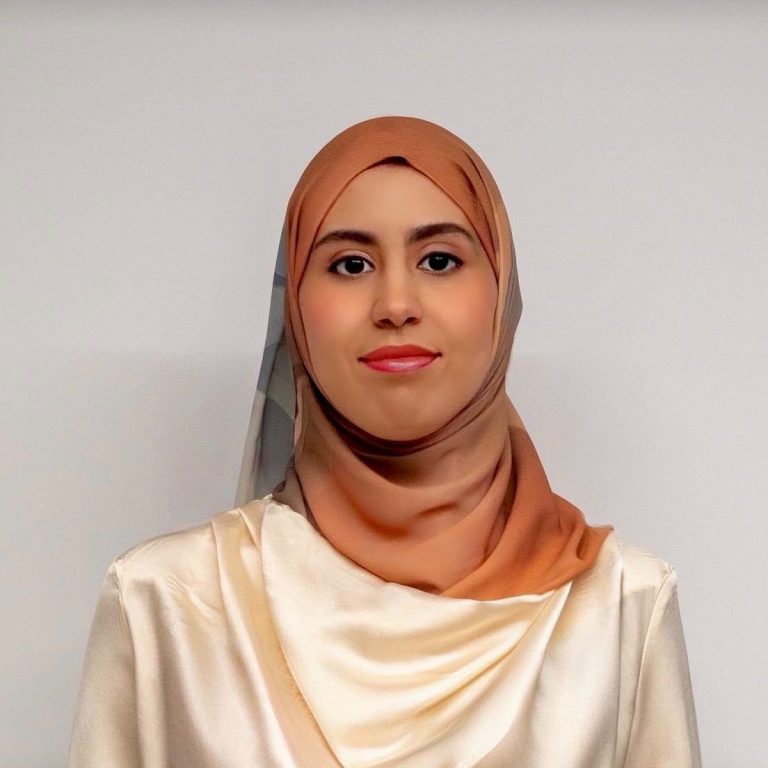
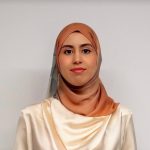
Nour El Houda Benhatom is a finance professional and academic in financial engineering, and currently finishing an MSc in Islamic Finance at Durham University, having completed her MSc in Finance and Management (with Distinction) from the University of Sunderland. She is both CIMA and ACCA part-qualified. Her professional experience as an FP&A Analyst for global organisations has given her hands-on expertise in the business and financial world . She teaches undergraduate students at EMSI Marrakech, teaching Financial Mathematics, Financial Management, and Geopolitical Economics. Her interest in Islamic finance goes beyond academia but with a commitment to exploring how financial systems can be built on principles of ethical paradigms and social justice with a maqasid al-shariah approach in servicing and enriching the reach of conventional systems in the modern life.